
Borderline Personality Disorder
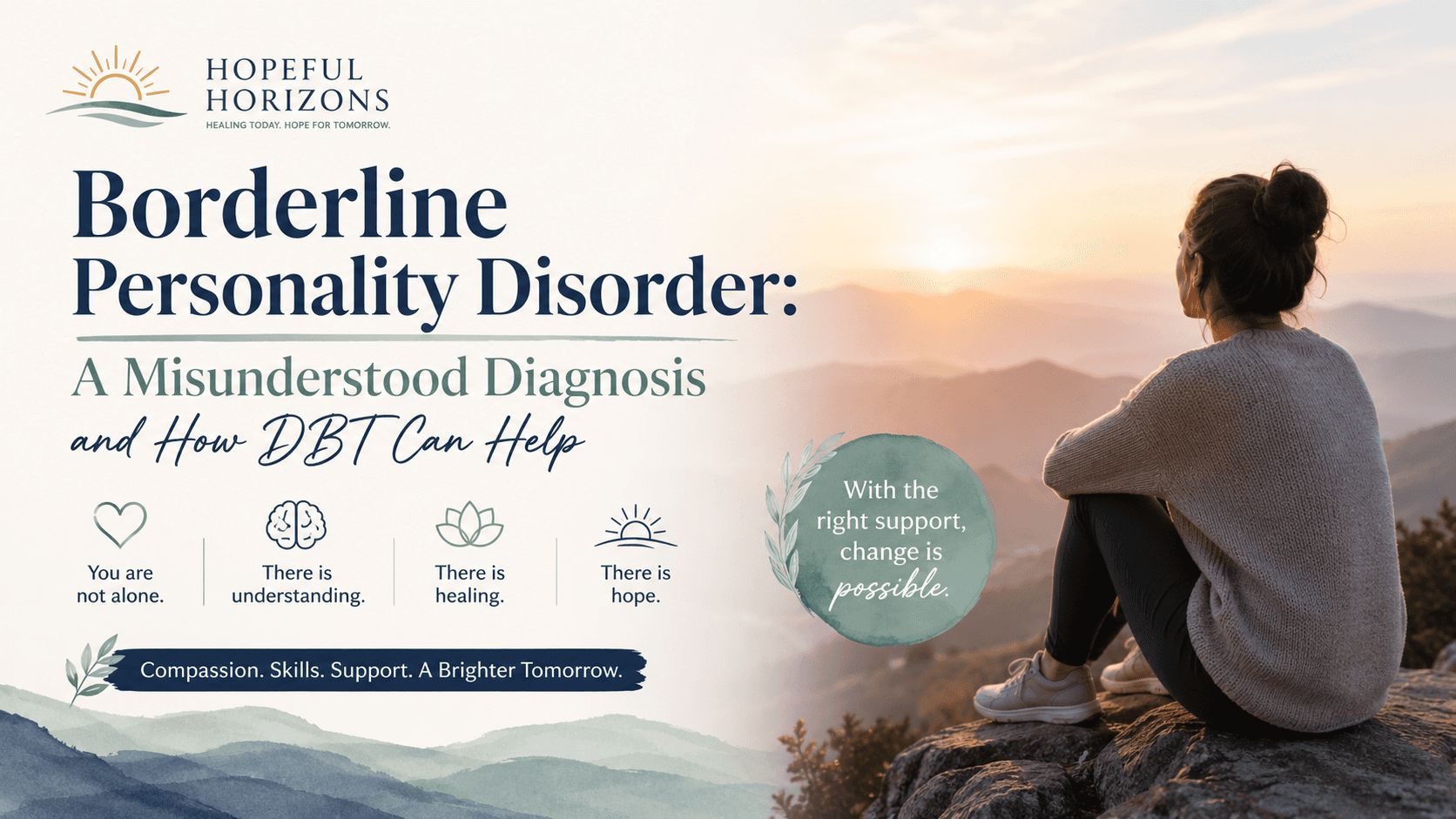
Borderline Personality Disorder (BPD) is one of the most misunderstood mental health conditions. Popular culture often portrays people with BPD as “manipulative,” “attention-seeking,” or “difficult,” but these labels are deeply unfair and scientifically inaccurate. In reality, individuals living with BPD often experience intense emotional pain, fear of abandonment, unstable relationships, and difficulty regulating emotions.
With the right treatment and support, people with BPD can lead stable, meaningful, and fulfilling lives. One of the most effective treatments for BPD is Dialectical Behavior Therapy (DBT).
What is Borderline Personality Disorder?
Borderline Personality Disorder (BPD) is a mental health condition characterized by emotional instability, impulsive behaviors, unstable relationships, shifting self-image, and difficulty managing intense emotions.
People with BPD often feel emotions more intensely and for longer durations compared to others. Small triggers may lead to overwhelming emotional reactions, making everyday life feel exhausting and unpredictable.
Common symptoms may include:
• Fear of abandonment
• Intense or unstable relationships
• Rapid mood changes
• Chronic feelings of emptiness
• Impulsive behaviors
• Anger outbursts
• Difficulty trusting others
• Self-harming behaviors or suicidal thoughts
• Feeling unsure about identity or self-worth
Why is BPD So Misunderstood?
Unfortunately, stigma around BPD exists even within healthcare settings. Many people with BPD are labeled as “dramatic” or “too emotional.” This misunderstanding often causes shame and discourages individuals from seeking help.
The reality is that BPD is strongly associated with emotional vulnerability, trauma, invalidating environments, and difficulties learning healthy emotional regulation skills. Many individuals with BPD have experienced childhood neglect, unstable attachment, abuse, bullying, or repeated emotional invalidation.
Their emotional reactions are not “fake” or “attention-seeking.” They are often attempts to cope with overwhelming internal distress.
What Does Life with BPD Feel Like?
Many individuals describe BPD as feeling emotionally “on fire.” Relationships can feel intensely close one moment and painfully distant the next. A delayed reply to a text message may trigger panic, fear, or feelings of rejection.
Some people experience:
• Extreme sensitivity to criticism
• Intense loneliness
• Fear that loved ones will leave them
• Difficulty calming down after emotional stress
• Impulsive decisions during emotional distress
The Good News: BPD is Treatable
One of the biggest myths about BPD is that it cannot improve. Research clearly shows that recovery is possible, especially with structured therapy and support.
Among available treatments, Dialectical Behavior Therapy (DBT) has become one of the most evidence-based and effective approaches for BPD.
What is DBT?
Dialectical Behavior Therapy (DBT) was developed by psychologist Marsha Linehan specifically to help individuals struggling with intense emotions, self-harm behaviors, suicidal thoughts, and relationship instability.
DBT combines:
• Acceptance strategies
• Cognitive Behavioral Therapy CBT techniques
• Mindfulness practices
• Behavioral skill-building
The goal is not to “change who you are,” but to help individuals build a life that feels manageable, stable, and meaningful.
The Four Core Skills of DBT
1. Mindfulness
Mindfulness teaches individuals to stay present instead of reacting impulsively to emotions or thoughts. It helps create awareness without judgment.
2. Distress Tolerance
These skills help people survive emotional crises without making things worse.
3. Emotion Regulation
Emotion regulation skills help individuals understand emotions, reduce emotional vulnerability, manage mood swings, and build emotional balance.
4. Interpersonal Effectiveness
DBT teaches healthy communication skills such as setting boundaries, expressing needs clearly, managing conflict, and maintaining self-respect in relationships.
Can People with BPD Recover?
Yes. Recovery does not mean never feeling emotional again. It means learning how to manage emotions effectively, maintain healthier relationships, reduce impulsive behaviors, and create stability over time.
Many individuals who complete DBT experience:
• Reduced self-harm behaviors
• Improved emotional control
• Better relationships
• Increased self-esteem
• Reduced hospitalizations
• Greater quality of life
Breaking the Stigma
People with Borderline Personality Disorder are not “bad,” “manipulative,” or “hopeless.” They are individuals struggling with intense emotional pain and difficulties regulating emotions.
With compassion, proper treatment, and evidence-based therapies like DBT, recovery is possible.
Final Thoughts
BPD is a complex but treatable condition. Early intervention, structured therapy, emotional support, and skill-building can significantly improve long-term outcomes.
If you or someone you know is struggling with emotional instability, relationship difficulties, or overwhelming emotions, seeking professional mental health support can be an important first step toward healing.
Recovery may not happen overnight, but with the right guidance and consistent effort, a more stable and fulfilling life is achievable.